One thing you already own
Six ways out of
one thing.
Photograph the piece you only wore once. Say what else is already in your wardrobe. Get six structurally different ways to wear it — using nothing you would have to buy.
Free covers two pieces a month, three ways each. Nothing to enter but a photograph.
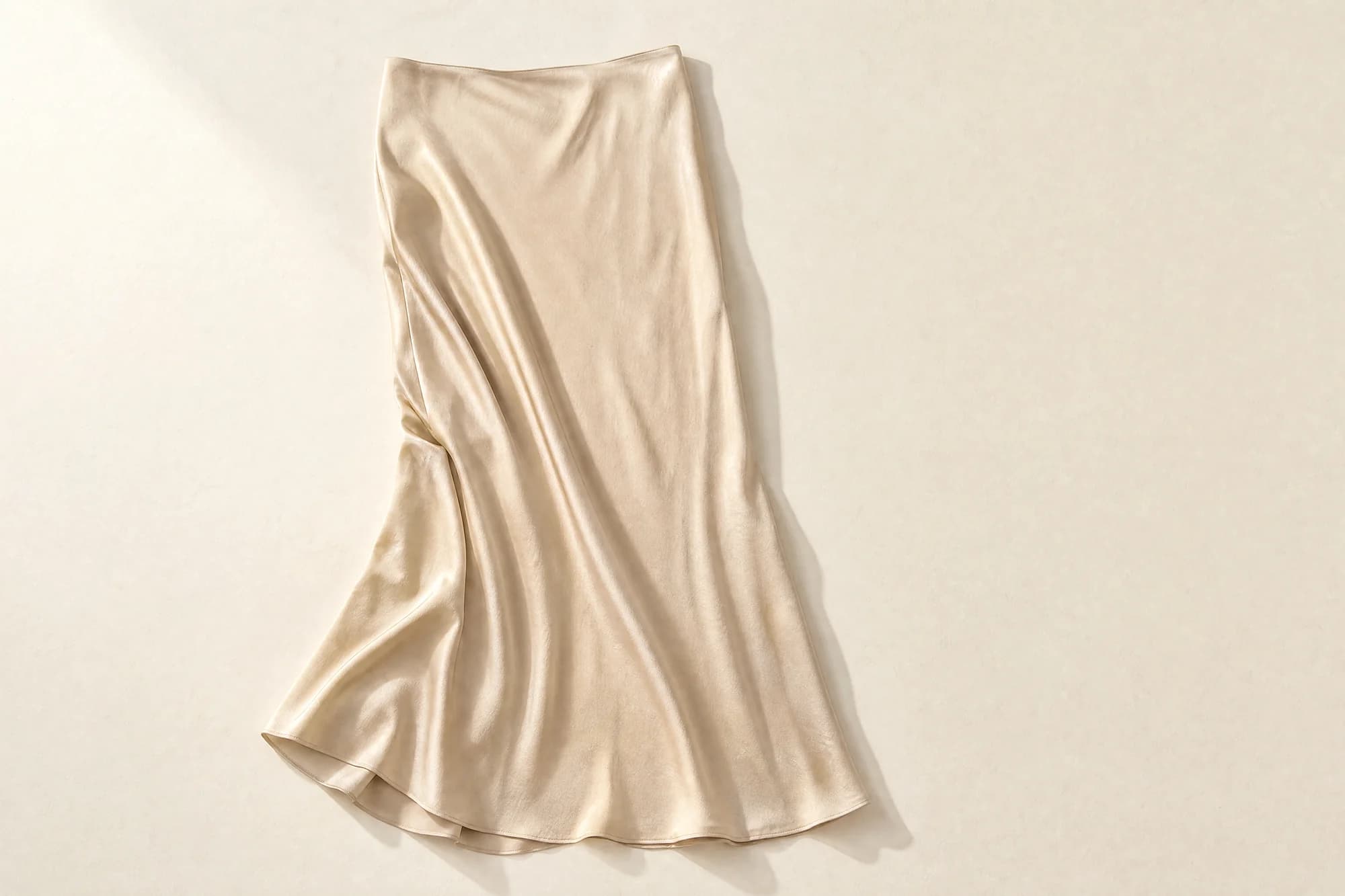
A boutique assistant’s most useful sentence was never “that looks good on you”.
It was “you could wear this like this, or like this”. One sentence, and a single garment became three. That sentence disappeared when clothes moved online — and it is worth the most on exactly the pieces that cost the most.
Three steps, and none of them is shopping.
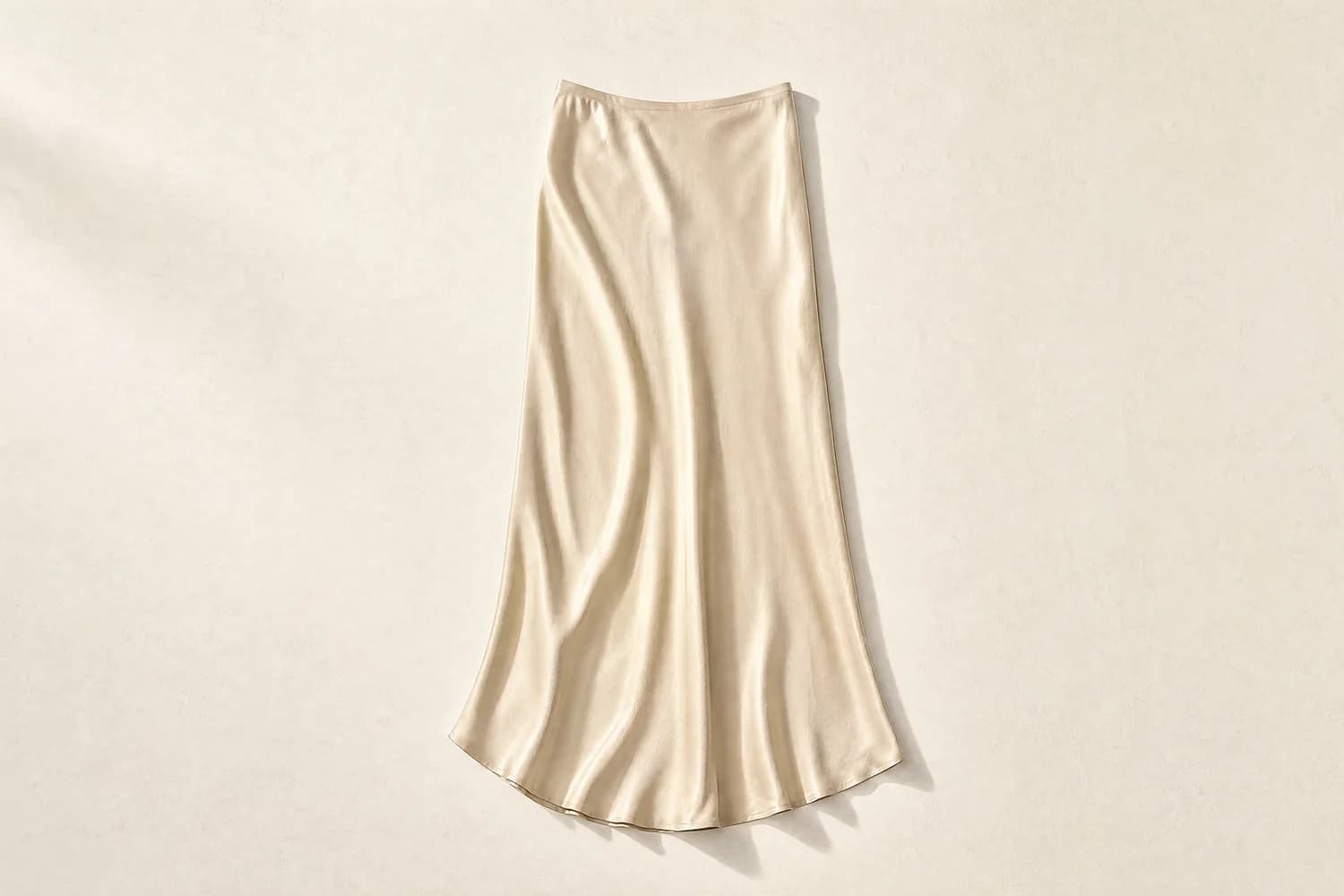
01Photograph the pieceLay it flat, shoot from above. That is enough to read the category, the shape, the length and how formal it is. Photographs of it being worn are refused — everything here is about the relationship between garments. 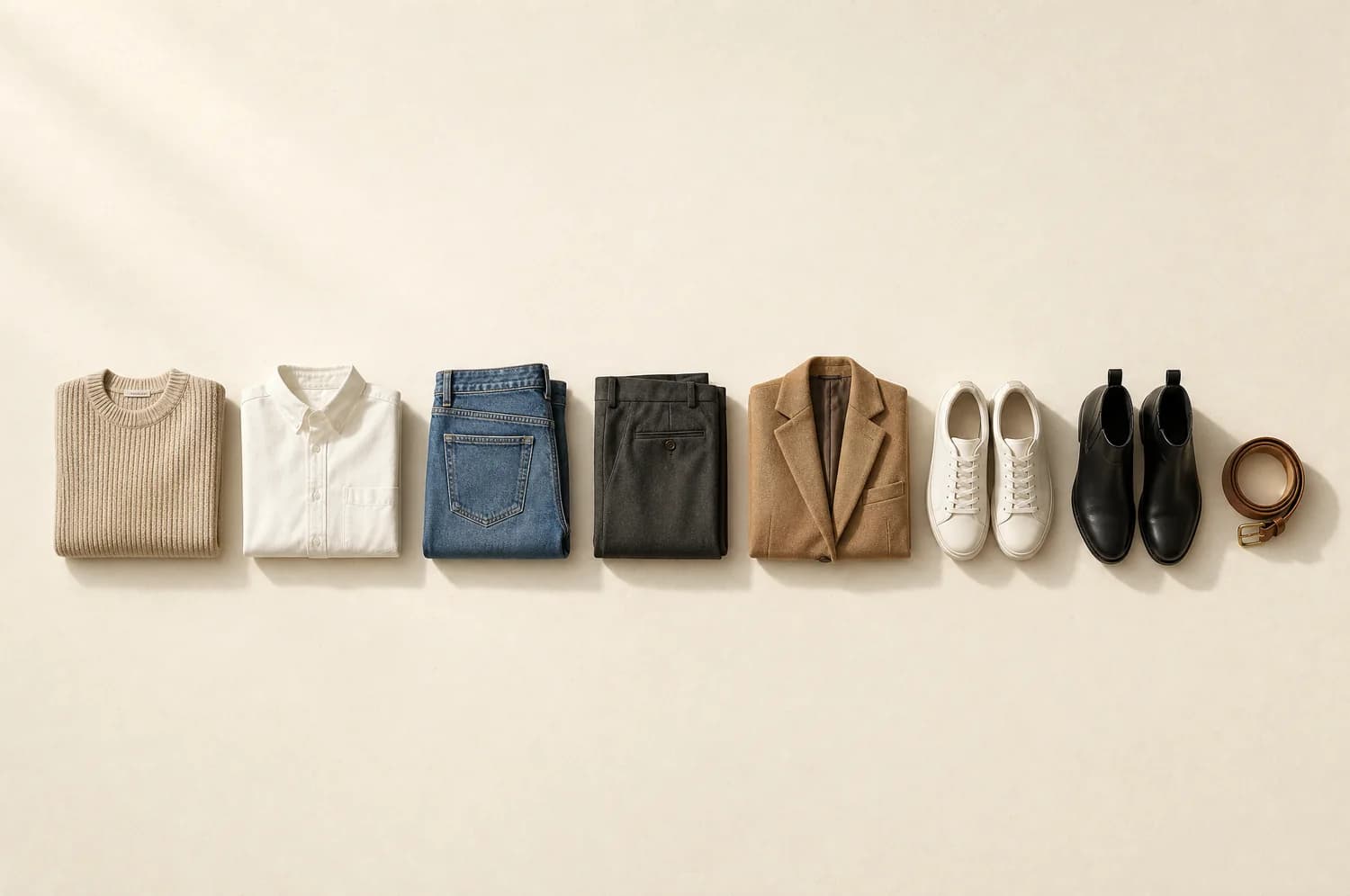
02Say what else you ownTick the categories, or photograph a few things. This is the only input that matters for honesty: every way you get back is built out of this list and nothing else. 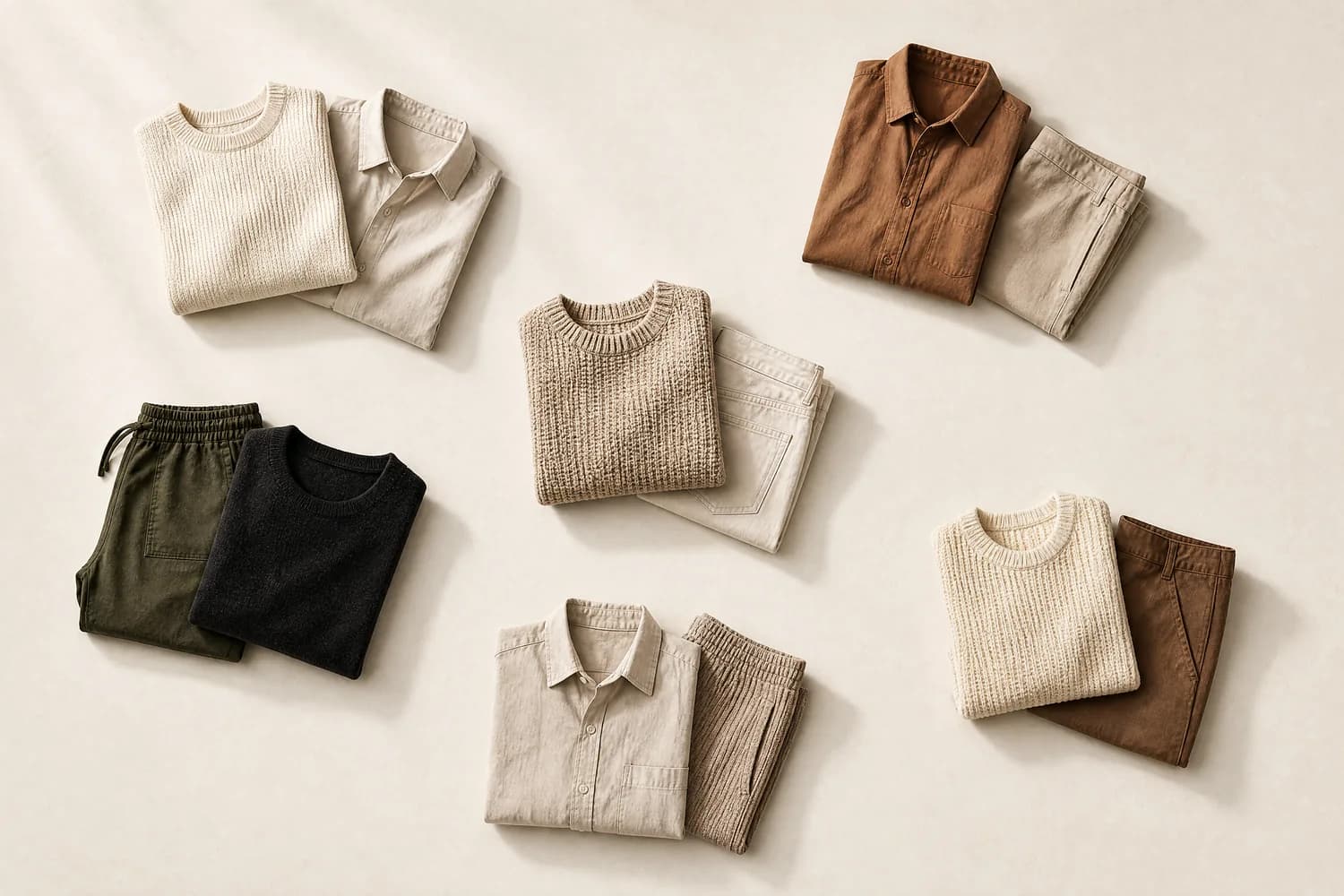
03See the waysSix flat-lay combinations, each one stating which dimension it moved and what it needs. Plus the ideas that did not make it, and what each of those was missing.
The worked example
One long silk skirt, worn once, opened out six ways.
Every way below moves at least one of four dimensions, and no two move exactly the same set — that is checked before the set is shown. Point at any of them to see what it asks of the wardrobe underneath.
- layers
How many garments sit on top of one another.
- proportion
Where along the length the outfit breaks.
- formality
How dressed the whole reads.
- coverage
How much of the piece stays visible.
- 01
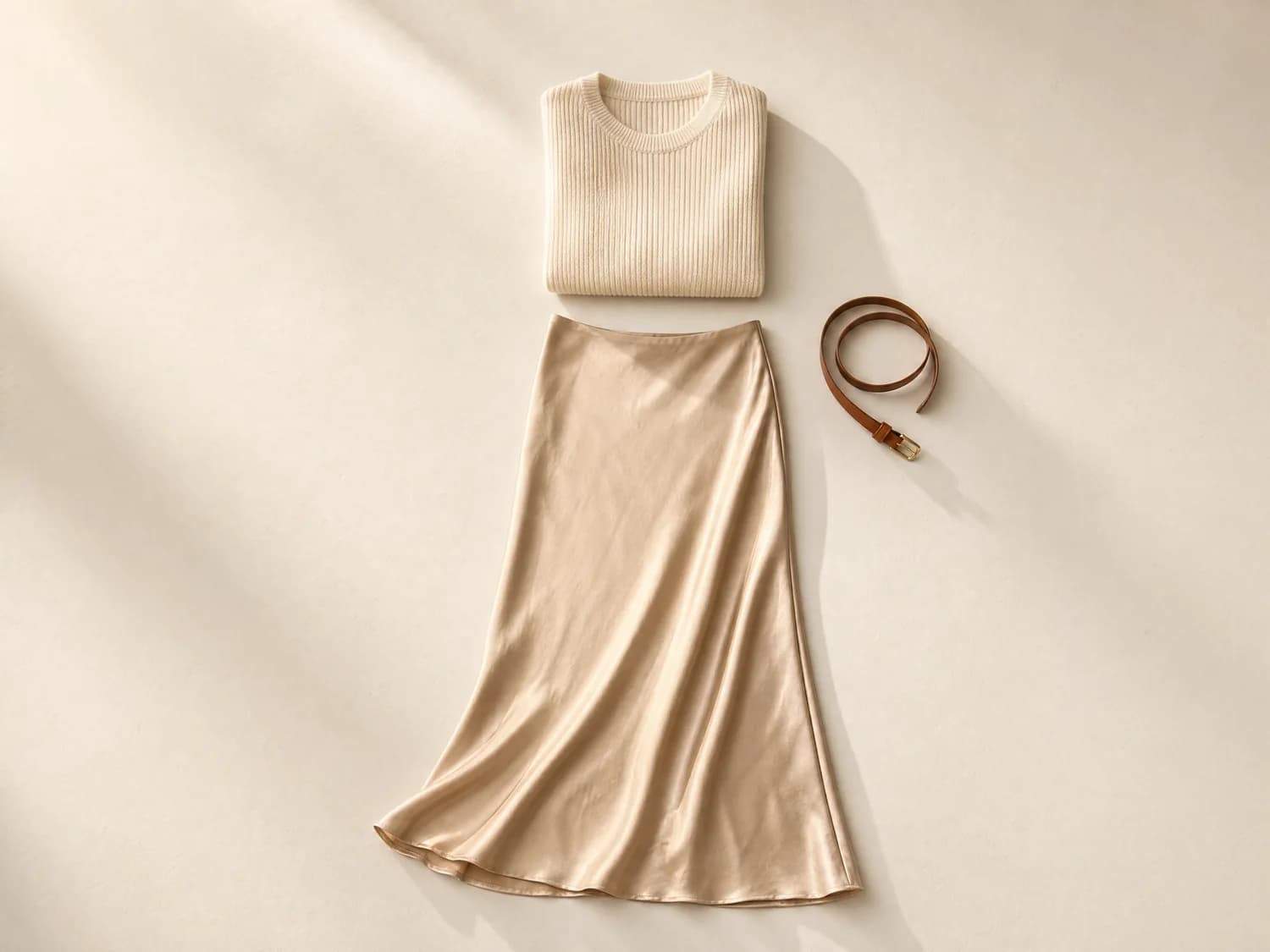
Tucked close
- proportion
The break moves to the top edge of the skirt. One clean layer, nothing overlapping — the piece reads as the whole outfit rather than half of it.
Needs knitwear, belts — all of which you said you own.
- 02
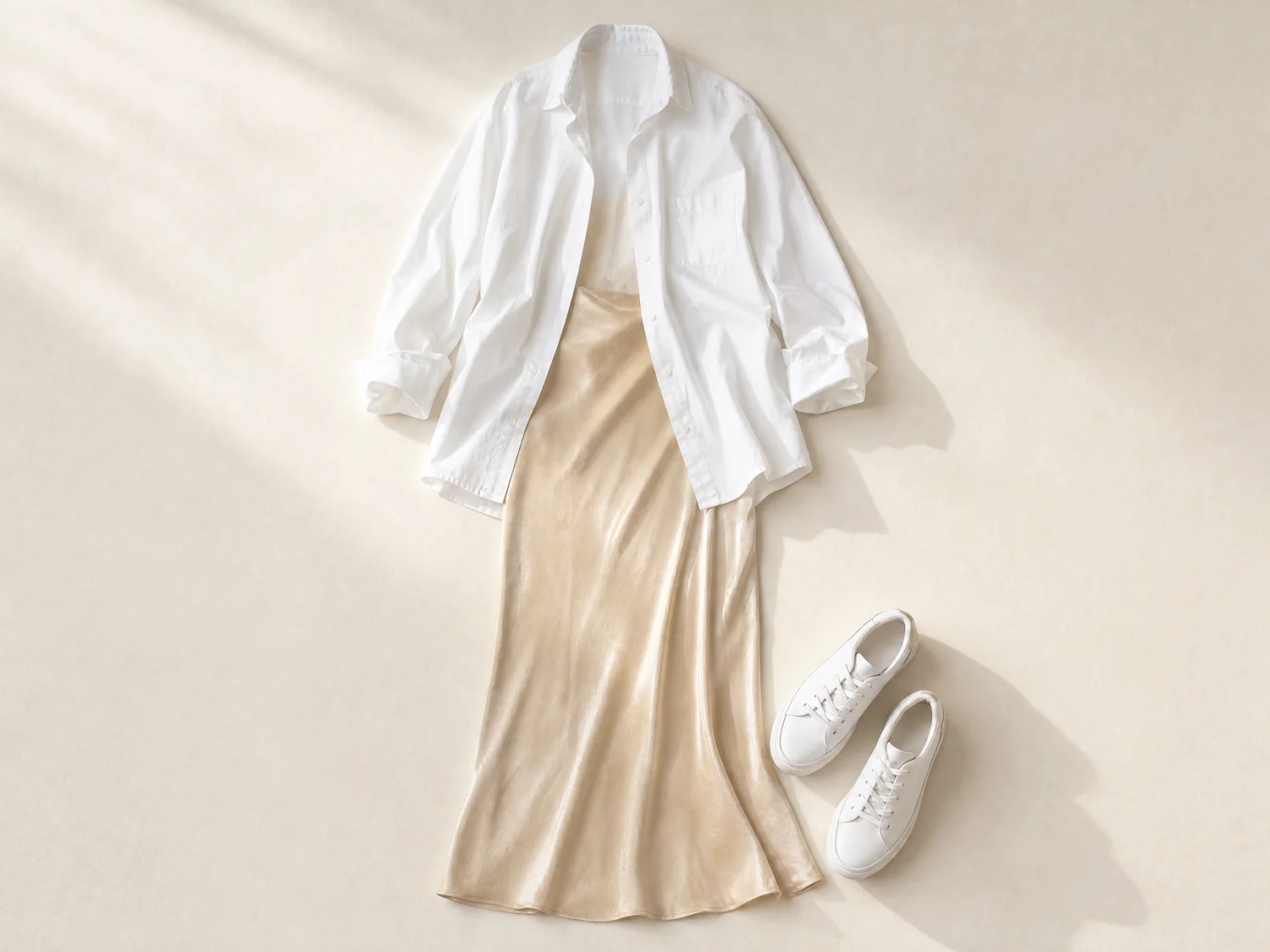
Shirt open over
- layers
- proportion
A second layer sits open over the top and the break drops to where the shirt hem falls. The skirt is now the lower two thirds instead of everything below the belt.
Needs shirts, trainers — all of which you said you own.
- 03
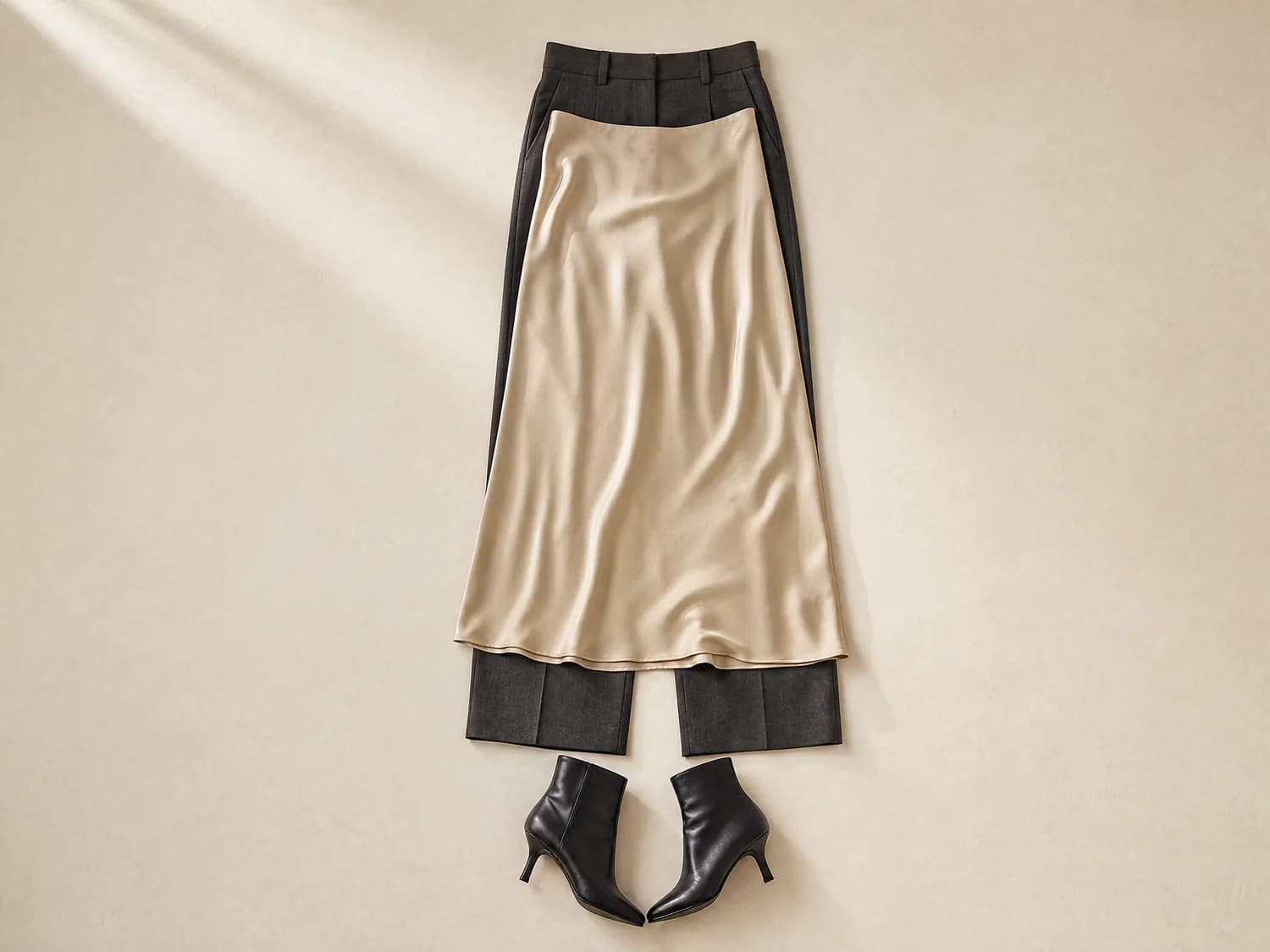
Over trousers
- layers
- coverage
The skirt stops being the only thing below. Trouser hems run out past it, so the silk becomes a panel over a straight line rather than the full lower half.
Needs trousers, boots — all of which you said you own.
- 04
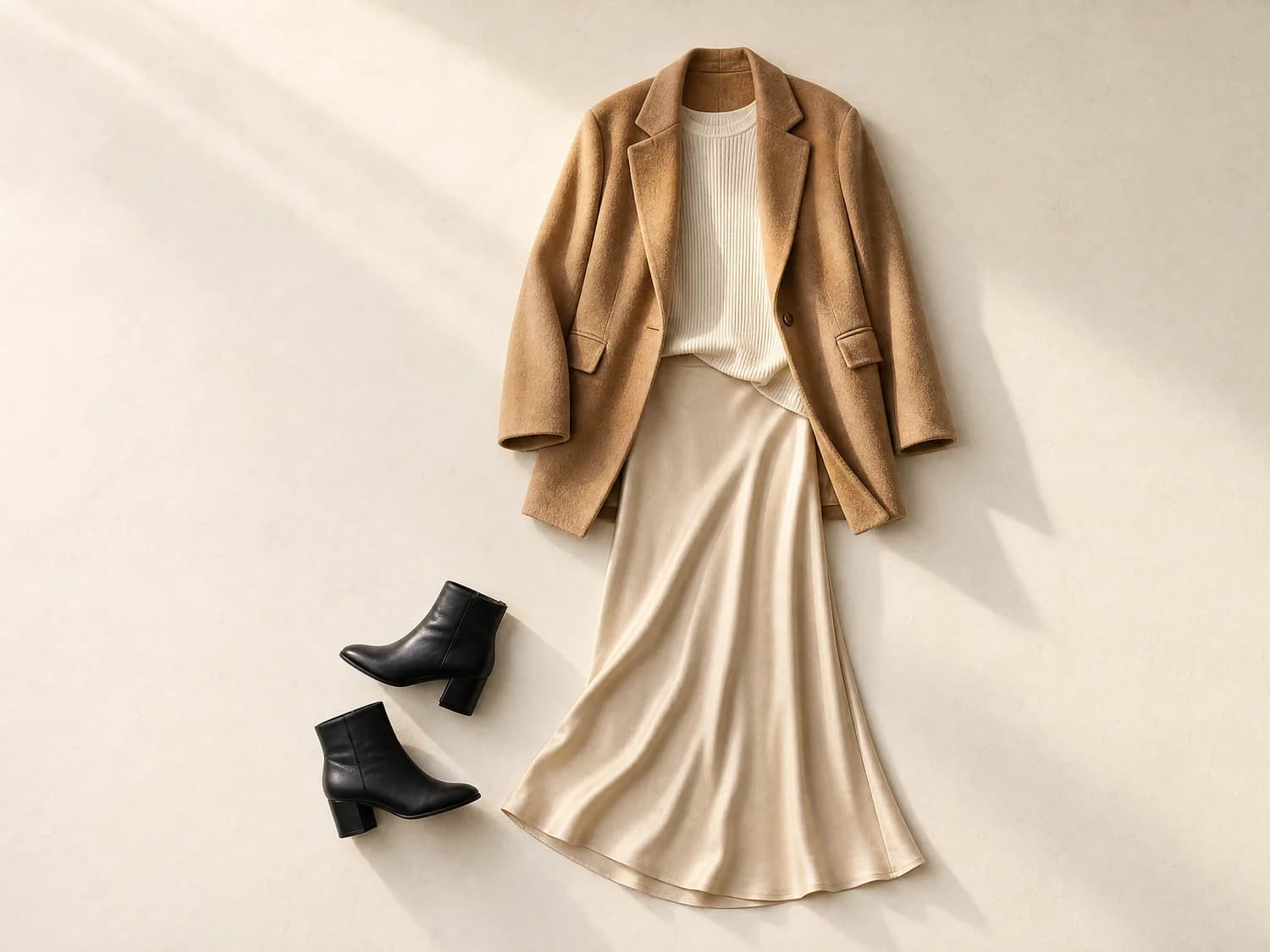
Blazer on top
- layers
- formality
Three layers stacked, with tailoring as the outermost. The same silk now reads as the soft element inside a structured outfit instead of the event piece.
Needs knitwear, blazers, boots — all of which you said you own.
- 05
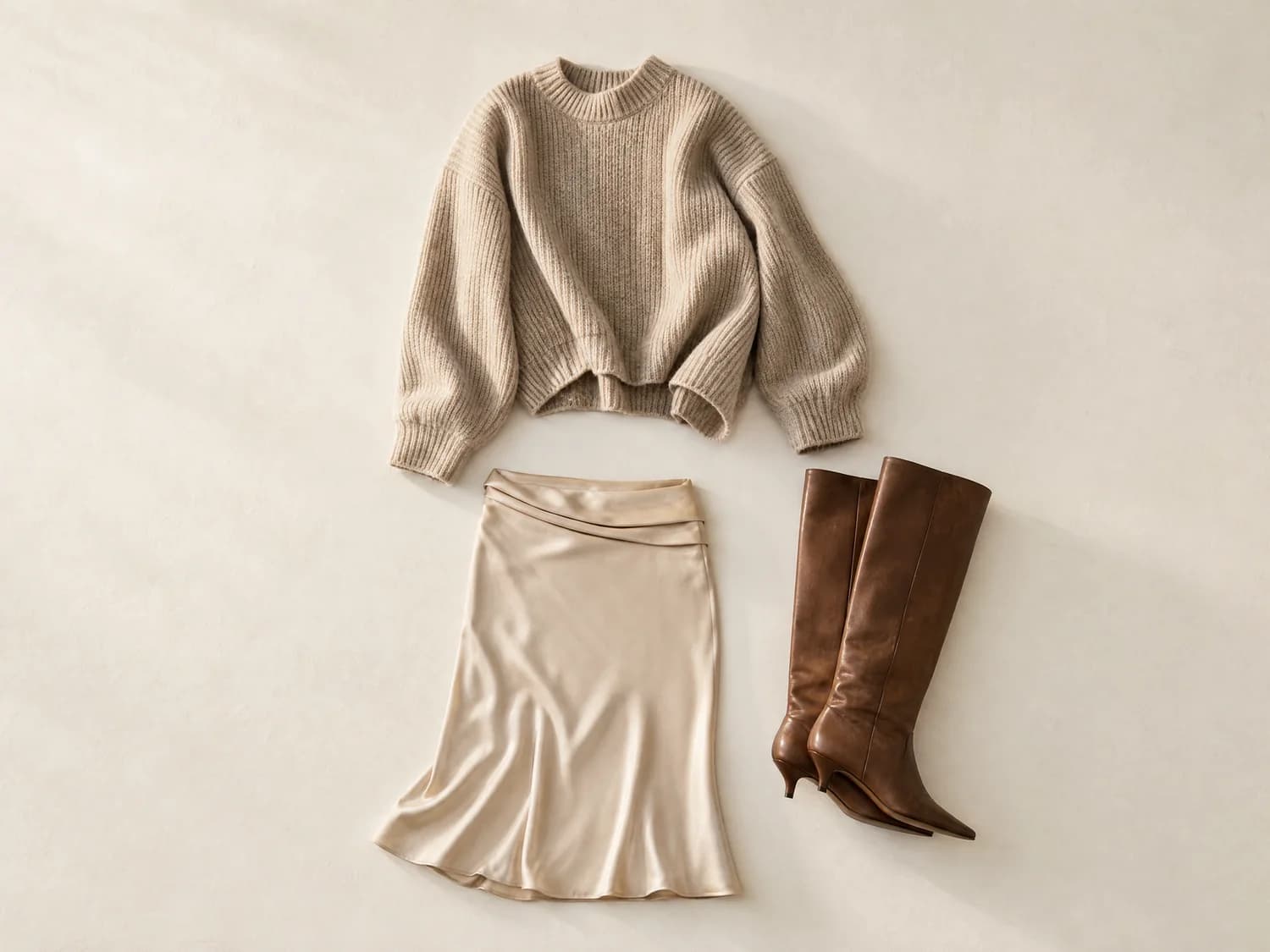
Folded shorter
- proportion
- coverage
Folded once at the top so the hem sits higher. Less of the skirt is in play, and the boot shaft takes the length the silk gave up.
Needs knitwear, boots — all of which you said you own.
- 06
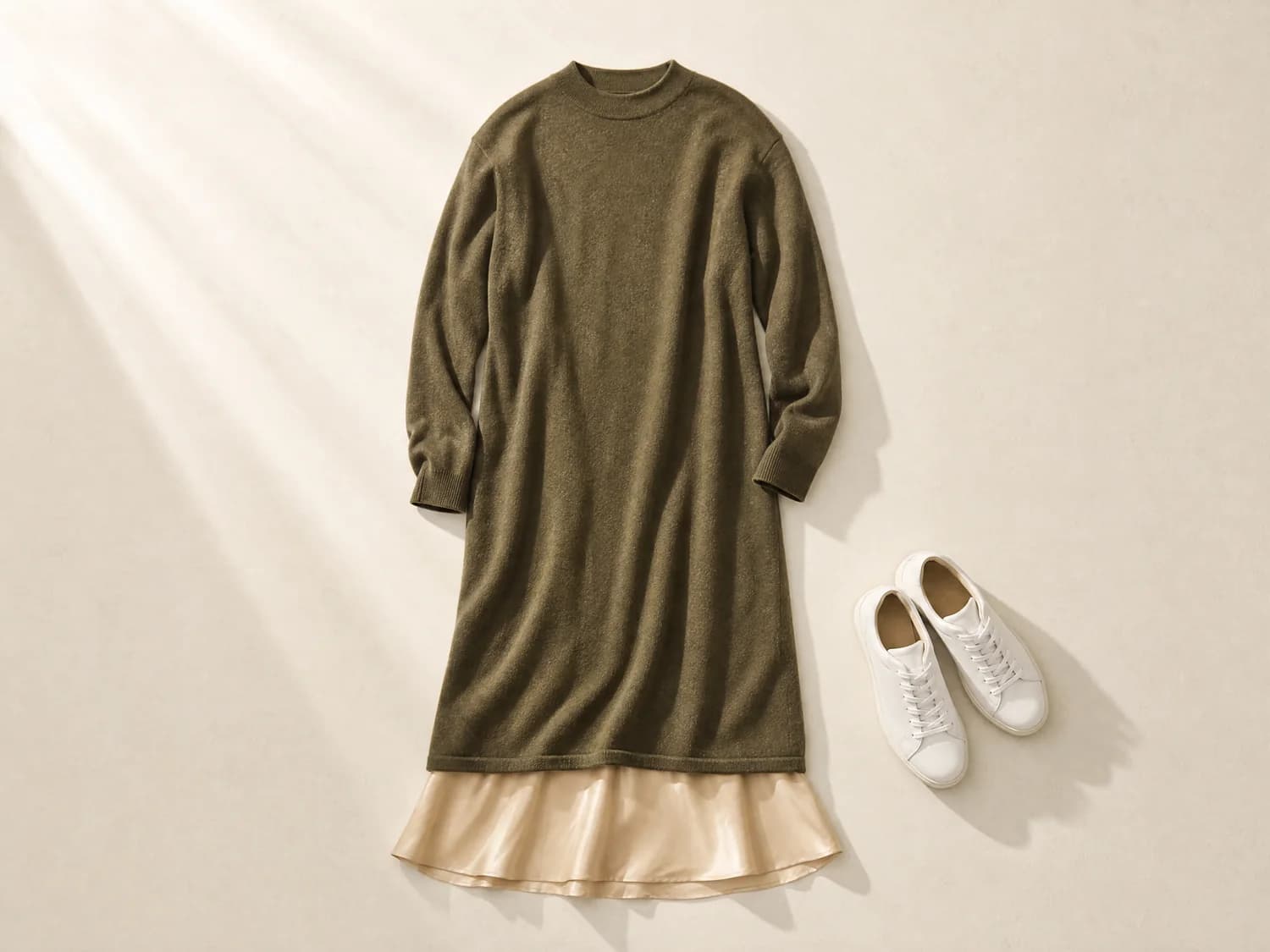
Under a long knit
- layers
- coverage
- formality
A long knit goes over the top and only the bottom panel of the skirt shows. The piece stops being the outfit and becomes a border on it — the least of it visible, and the most casual result.
Needs knitwear, trainers — all of which you said you own.
What you said you already own
Point at a way above, or Tab through them, to see what each one uses.
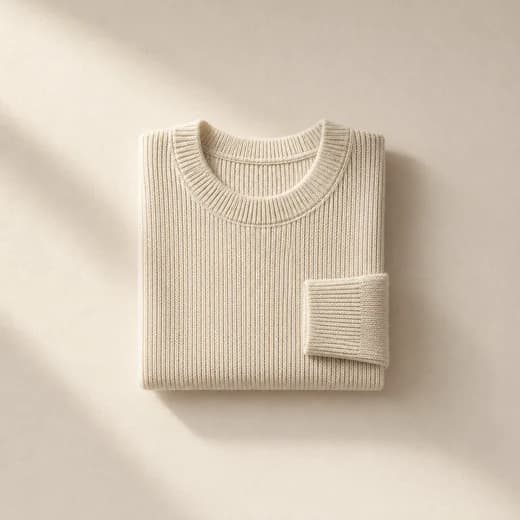
Knitwear
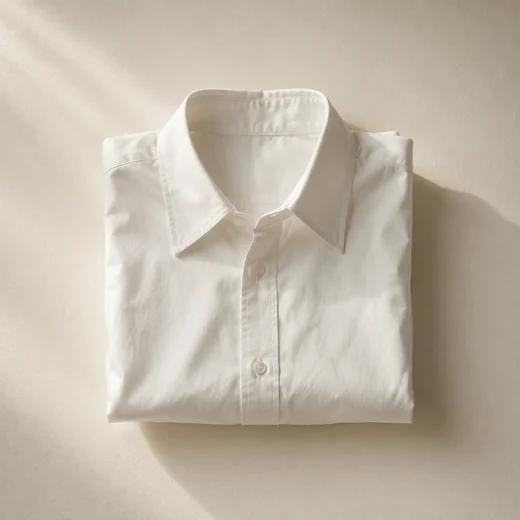
Shirts
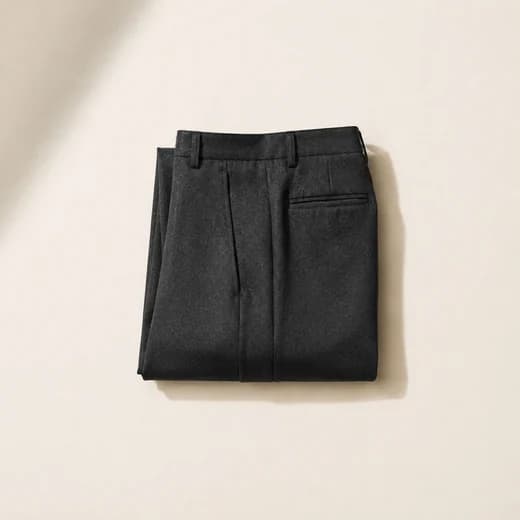
Trousers
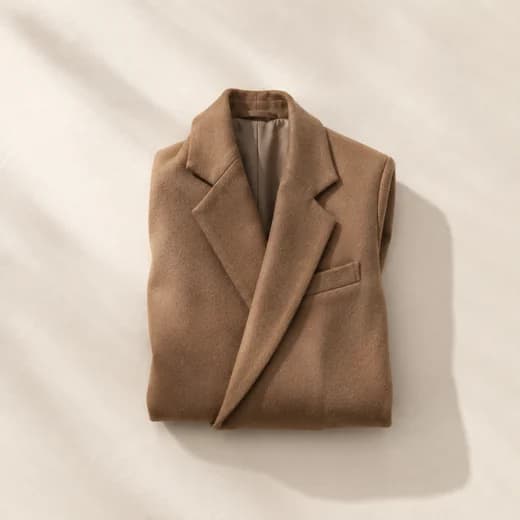
Blazers
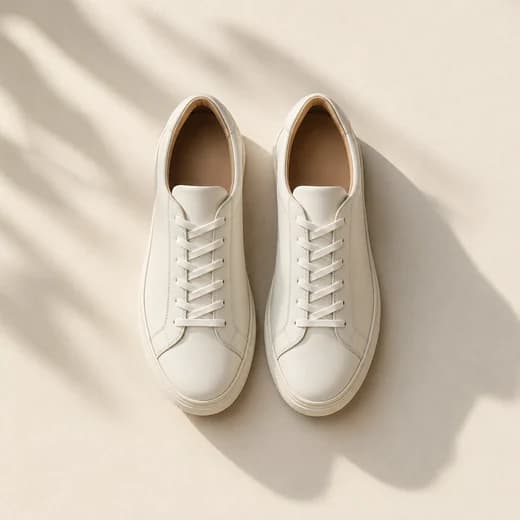
Trainers
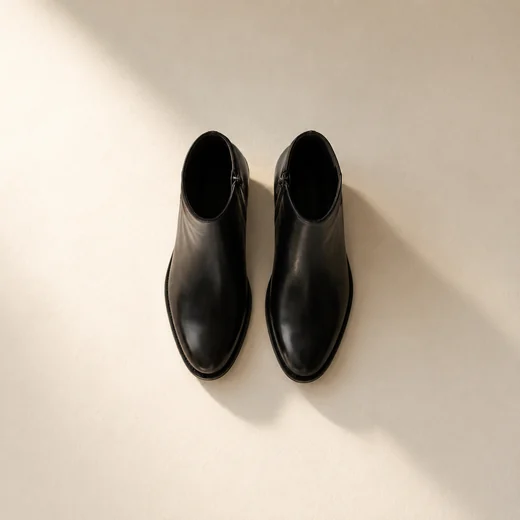
Boots
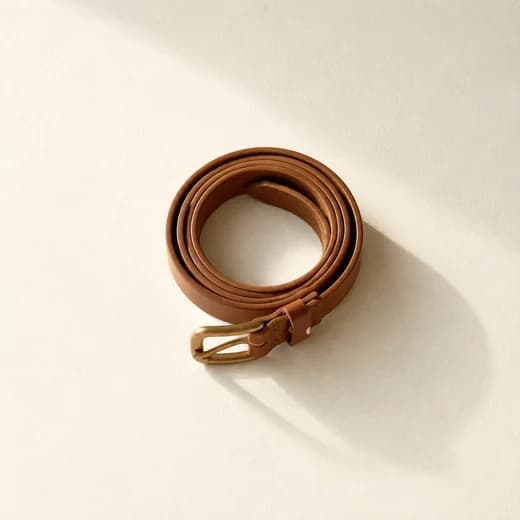
Belts
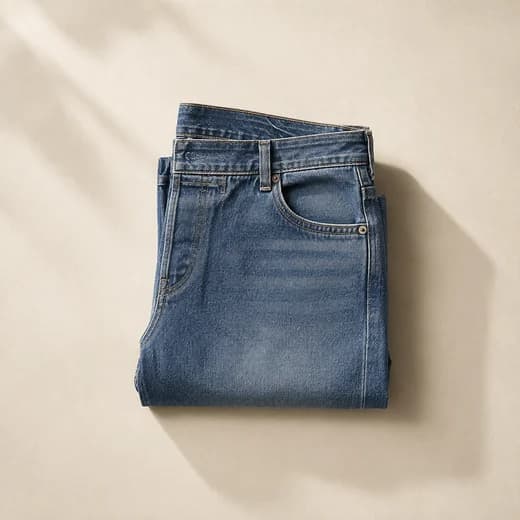
Jeans
And what will not
Three ideas that need something you do not have.
These are not suggestions and they are not a shopping list. They are here because the alternative — quietly dropping them, or dressing them up as advice — is how a styling tool turns into a shop.
Layered under a long open coat for a colder, longer line
missing coats — not in the categories you listed.
A cropped upper layer to move the break higher than the waistband
missing cropped tops — not in the categories you listed.
Flat sandals to take the whole outfit down a register in warm weather
missing sandals — not in the categories you listed.
It works the same on anything with more than one way out of it.
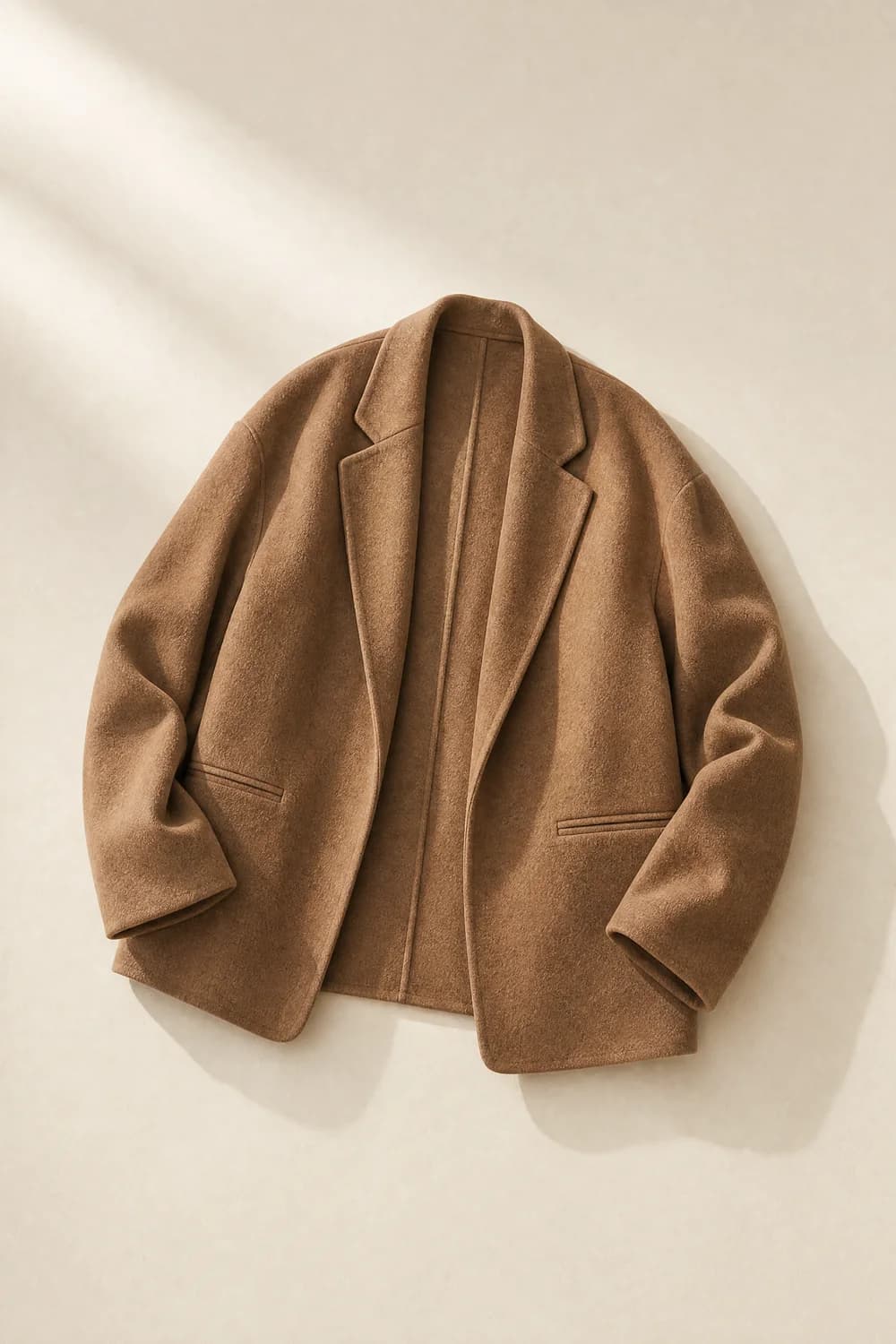
Oversized blazerSix ways once you say you own trousers, knitwear and boots. 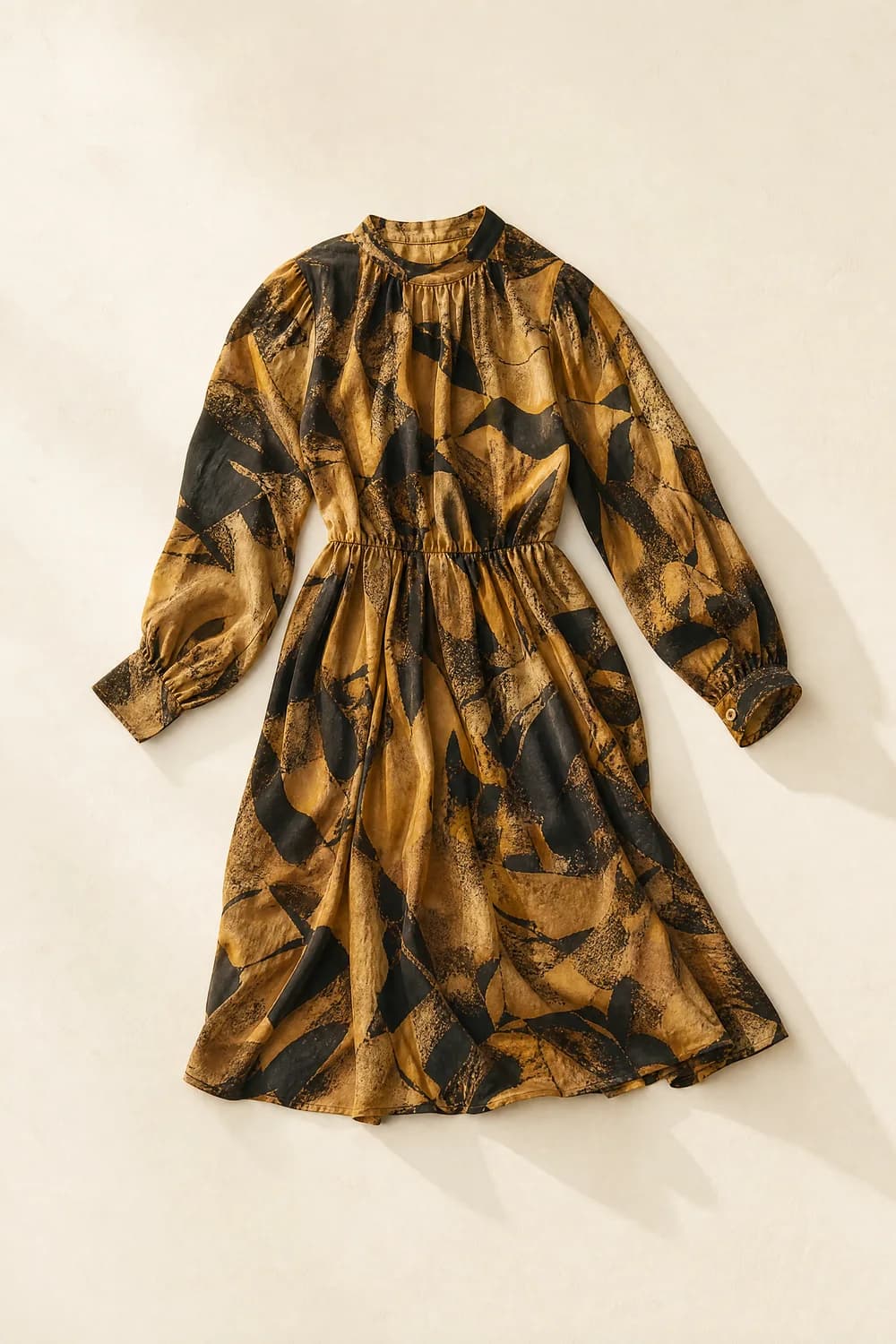
Printed dressSix ways, four of which take the print out of the evening. 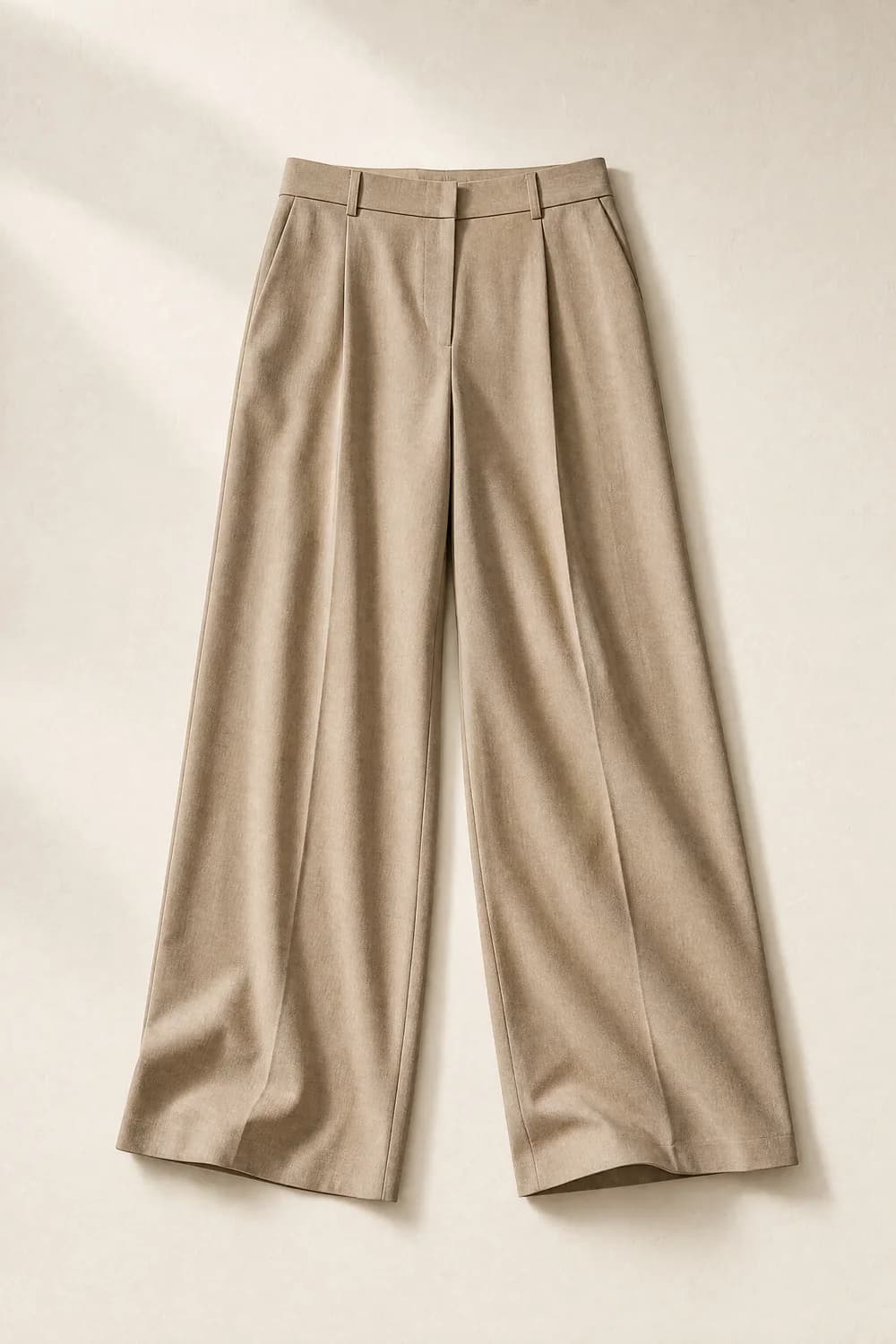
Wide-leg trousersSix ways, split across three different break points.
Pricing
Free is enough for one stuck piece.
Two pieces a month, three ways each. That is genuinely enough to unstick the thing hanging in front of you. People pay when it turns out the stuck piece was not the only one — and because linking a wardrobe makes the answers noticeably better.
Free
$0 USD / month, tax included
Enough to unstick one piece and see whether the answers are any good.
- Two pieces every month
- Three ways for each piece
- Structural change stated for every way
- What will not work, and what it is missing
50 credits a month
Ways
Most taken$11 USD / month, tax included
For when it turns out the stuck piece was not the only one. Linking your wardrobe is what sharpens the answers.
- Unlimited pieces
- Six ways for each piece
- No watermark
- Linked wardrobe — ways only use what you have actually listed
- Every piece kept in your archive
440 credits a month
Capsule
$32 USD / month, tax included
For a whole rail of pieces rather than a few, with a record of what you actually ended up wearing.
- Everything in Ways
- Multi-piece archives you can group and revisit
- A record of which ways you wore
- Priority queue on way sets
1700 credits a month
Conversation about a piece 1 · Recognising a piece from a photograph 2 · A way set, laid out flat 5. Credits are a usage allowance, not money, and they do not carry over.
Questions
Including the two we get asked most.
Will this end up telling me to buy something?
No. A way is only shown to you if everything it needs is already in the list of categories you told us you own. Nothing else can appear.
Ideas that would need something you do not have are not quietly dropped and they are not turned into suggestions either — they are listed under what will not work, with the missing category named. You can read them and decide for yourself.
There are no product recommendations, no brand names, no purchase links and no affiliate marketing anywhere on this site. The whole point is to get more use out of what you already paid for; pointing you at a shop would contradict it.
Will it say anything about my body?
No. Nothing here describes a body, and nothing here is generated onto one.
When a way talks about proportion, it means the relationship between garments — where one hem falls against another, how much of the piece stays visible. It never means you.
Every image is a flat lay: garments laid out on a surface, photographed from above. Photographs of a piece being worn are refused at upload for the same reason.
What happens to the photographs I upload?
Photographs of your clothes are treated as private household images. They are never used to train any model, ours or anyone else's, and they are never sold or shared for advertising.
They are stored so you can come back to a piece later, and you can delete any piece — with its photographs and its way sets — from your archive at any time. Deleting your account removes all of them.
The full detail, including retention periods and the route to erasure, is in the privacy policy.
How reliable are the six ways?
They are opinions about styling, not statements of fact. Two people looking at the same skirt will disagree about a couple of them, and that is normal.
What is checked mechanically is that the six differ structurally rather than decoratively: each one has to move at least one of layers, proportion, formality or coverage, and no two are allowed to move exactly the same set. If two come out identical on that measure, one is regenerated before you ever see it.
What is not checked is taste. Use your own.
Can I cancel, and can I get a refund?
You can cancel at any time from your billing page, in the same number of clicks it took to subscribe. Cancelling stops the next renewal; your plan keeps running until the end of the period you have already paid for.
As a consumer in the European Union you have fourteen days to withdraw from a digital services contract. You may ask us to start the service inside those fourteen days, but doing so means you give up the right to withdraw once the service has been fully performed — which is why the checkout asks you to tick two separate boxes confirming you understand that, neither of which is ticked for you.
If you have not asked us to start early, the fourteen days run normally and the withdrawal form is on the withdrawal page.
What are credits, and what happens to the ones I do not use?
Credits are a usage allowance for this service. They are not money, not stored value, not redeemable for cash and not transferable.
A conversation about a piece costs one, recognising a piece from a photograph costs two, and a way set laid out flat costs five.
Unused credits do not carry over. There are no credit packs and no top-ups — if you run out, you wait for the period to reset or move up a tier.
Do I have to photograph the piece, or can I just describe it?
A photograph works better, because the shape, the length and how formal the piece reads are things that are quicker to see than to describe.
Lay the piece flat and shoot it from directly above. Photographs of the piece being worn are refused — every output here is a relationship between flat garments, and a body in the source image breaks that.
You can then either photograph the other things you own or tick the categories from a list. Ticking is faster and works nearly as well.
Who can use this?
Anyone aged sixteen or over. The service is not available to children under sixteen, and accounts found to belong to them are closed.
It is available worldwide, in English, and billed in US Dollars.
It is a styling tool and nothing else. It must not be relied on for any medical, legal, financial, safety, employment, credit, housing or judicial purpose.
Start with the one you keep looking at.
The piece that cost the most and came out once. Photograph it flat, say what else is in there, and see what it can still do.